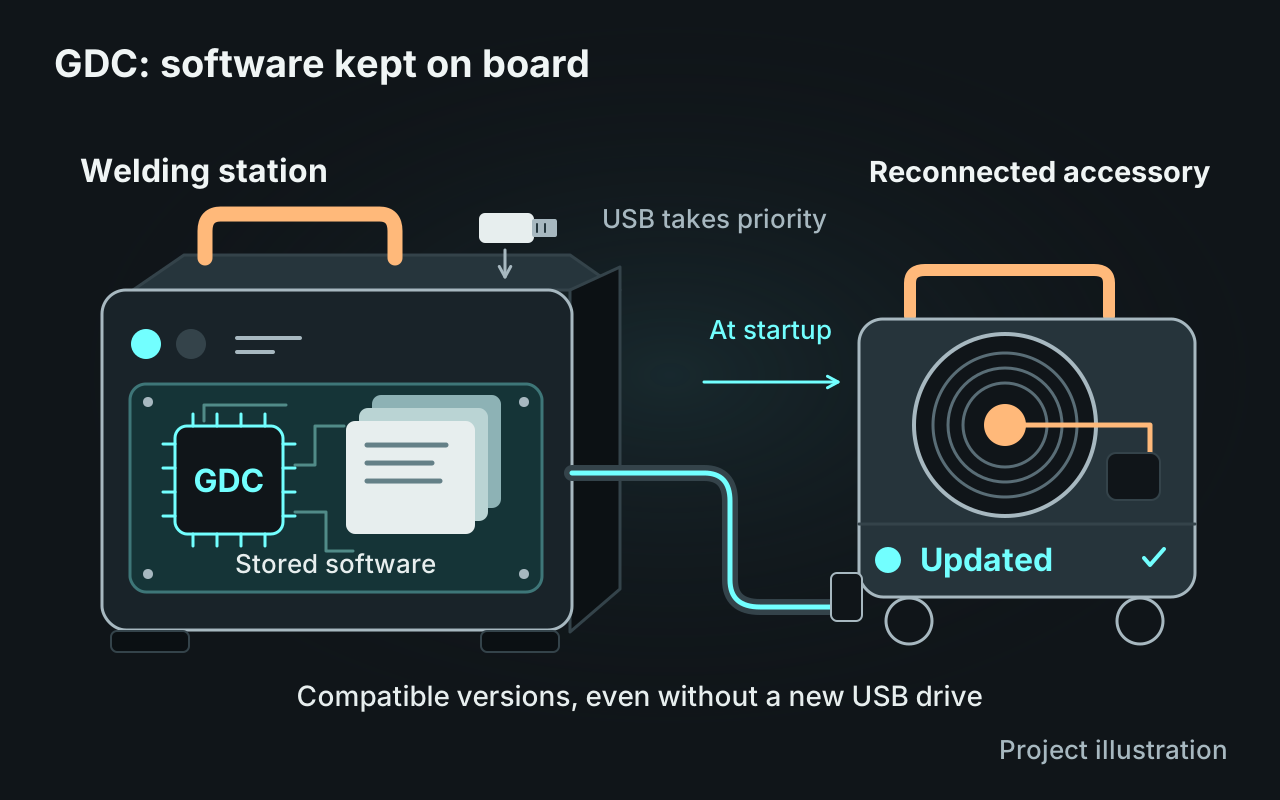
Keeping a station and its accessories compatible
A welding station contains several electronic boards and can use interchangeable accessories. A wire feeder that was disconnected during an update may later return with a different software version. The GYS Data Center stores the required firmware inside the product so the equipment can restore compatible versions at startup.
During my apprenticeship at GYS, I developed the board’s bootloader and worked with the design office on its integration. My work extends GFU, the company’s existing firmware update infrastructure. The aim was to add a local software archive that could serve the installed equipment.
Preserving the USB update process
The GDC takes one of two roles. When a USB drive supplies a new archive, the USB master stays in control and the GDC receives a copy for storage. Without a drive, the GDC can become master, compare installed versions and distribute the firmware needed by the connected equipment.
I worked on this negotiation, including the delay allowed for accessories to detect USB. Waiting for the existing master to announce itself prevents competing update controllers. Reusing that mechanism made it possible to introduce the GDC without rewriting every target bootloader.
The archive itself can be refreshed through the established update path. This keeps the local reference aligned with the version supplied to the product.
Connecting storage and communication
The C implementation connects SDNAND storage, file access and CAN or CAN FD communication. The EGF archive groups firmware with its metadata and provides the contract with the internal tools that prepare updates.
I integrated changes from the GFU libraries and worked on storage access and integrity checks. The prototype decompresses incoming data to preserve compatibility with existing equipment. That choice made the complete workflow testable early; retaining more compressed data would have required further changes across the system.
Measuring the prototype and handing it over
I took part in tests with several interfaces and accessories, timing campaigns and investigations of update delays. These measurements helped distinguish communication costs from storage and the additional steps introduced by the GDC.
The bootloader was integrated and demonstrated on a working prototype. I prepared technical documentation and presentation material so the team could take the work forward. Industrialisation is a separate stage from that prototype delivery; the source code and internal documents remain GYS property.