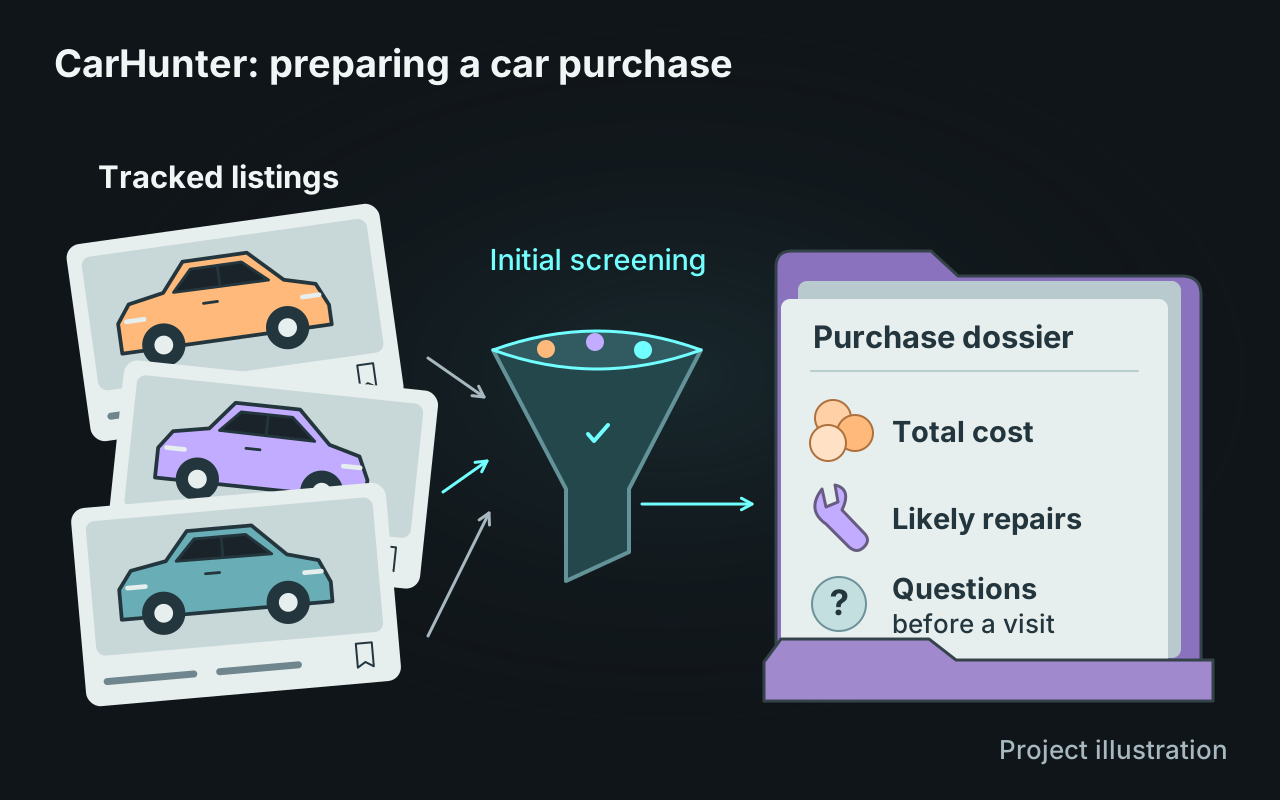
Preparing a purchase and a visit
I started CarHunter for my own used-car search. Comparing advertised prices helped, but an apparently attractive offer could involve immediate repairs, an unclear maintenance history or expensive running costs. I wanted to bring those factors together before spending time on a vehicle.
I designed the analysis around acquisition cost, unresolved risks and questions for the seller. Planned outputs include negotiation points and a checklist for the visit. They help prepare the checks I need to make with the seller and in person, rather than treating a listing description as a complete assessment of the car.
Collecting meaningful changes
The collectors cover LeBonCoin, LaCentrale and AutoScout24. I developed a shared library for field definitions, searches, saved results and site-specific behaviour, using Scrapling to access the pages.
Listings are normalised and stored in SQLite with their processing state. A content fingerprint distinguishes new, changed and unchanged offers, allowing a price reduction to reopen a rejected listing. Previously collected details are reused to avoid repeatedly requesting the same pages. The organisation separates collection mechanisms from automotive rules; a second domain for bicycles reuses the collection capability without inheriting the entire car analysis workflow.
Spending analysis effort progressively
LangGraph organises three analysis levels. The first performs a quick economic screen. The next examines maintenance, costs, risks and missing information. The final level is designed to produce a detailed report once the essential questions have been resolved.
I separated model judgement from calculations. For market research, the model chooses criteria for comparable vehicles; a dedicated tool collects listings and calculates statistics. These are advertised prices, interpreted against the characteristics of the selected cars. SQLite retains each dossier’s progress and information about the models involved, while LangSmith makes the individual analyses inspectable. Models can differ by stage, matching the depth of work to the interest of the offer.
Planning the next useful action
I also developed a contact planner for Hermès, my agent environment. Rules select the dossiers needing attention, respect quiet hours and schedule reply checks and follow-ups before invoking the agent. Seller responses are intended to feed the analysis again without repeating questions that have already been resolved.
As of 10 September 2026, collection and initial screening had run unattended. I had used and then paused the intermediate analysis; the complete final level and seller messaging had not yet been used. The project remains in development. Its repository is private, and this account distinguishes the wider system I built from the part I have operated.